
Kodak Portra 400 ISO
Nikon F3 with Kodak Portra 400
Eight photos
Nikon F3 Bought on eBay from Japan
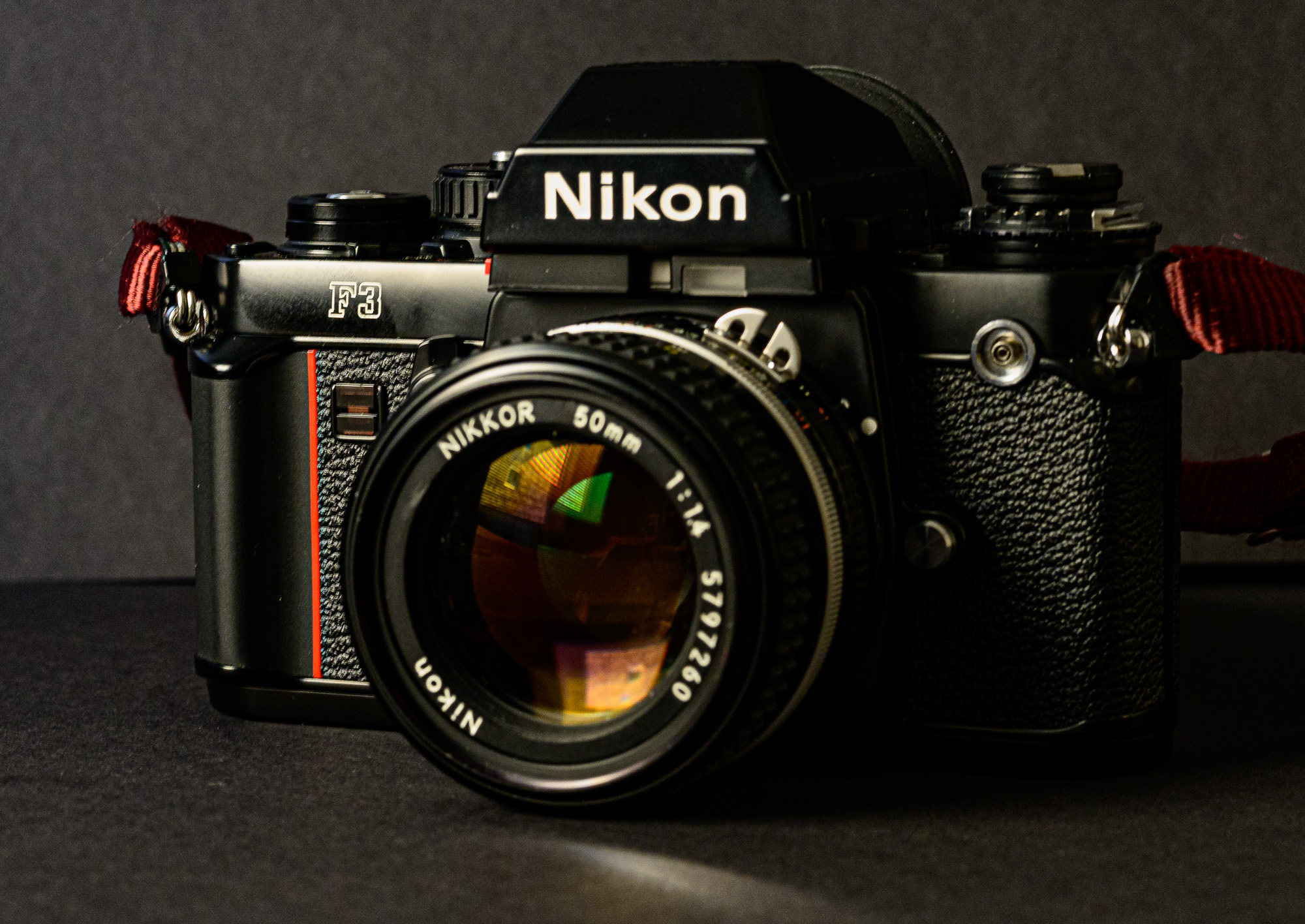
Nikon F3 with 50mm 1.4 AIS. Photo with Nikon Z 9, Nikkor Z 50mm f 1.8 S @ 0.6 sec.
I came across this Nikon F3 on eBay, where it was advertised as being in mint condition. It is an F3 Eye-Level version equipped with a 50mm f/1.4 AIS lens—and it was indeed in mint condition. The camera appeared almost brand new, and even the LCD illumination remains fully functional.
The Nikon F3 was introduced in March 1980 as Nikon’s flagship, electronically controlled aperture-priority AE single-lens reflex camera. It features an electronically controlled, stepless shutter with speeds ranging from 8 seconds to 1/2000 of a second. More than 750,000 units were produced between 1980 and 2000.
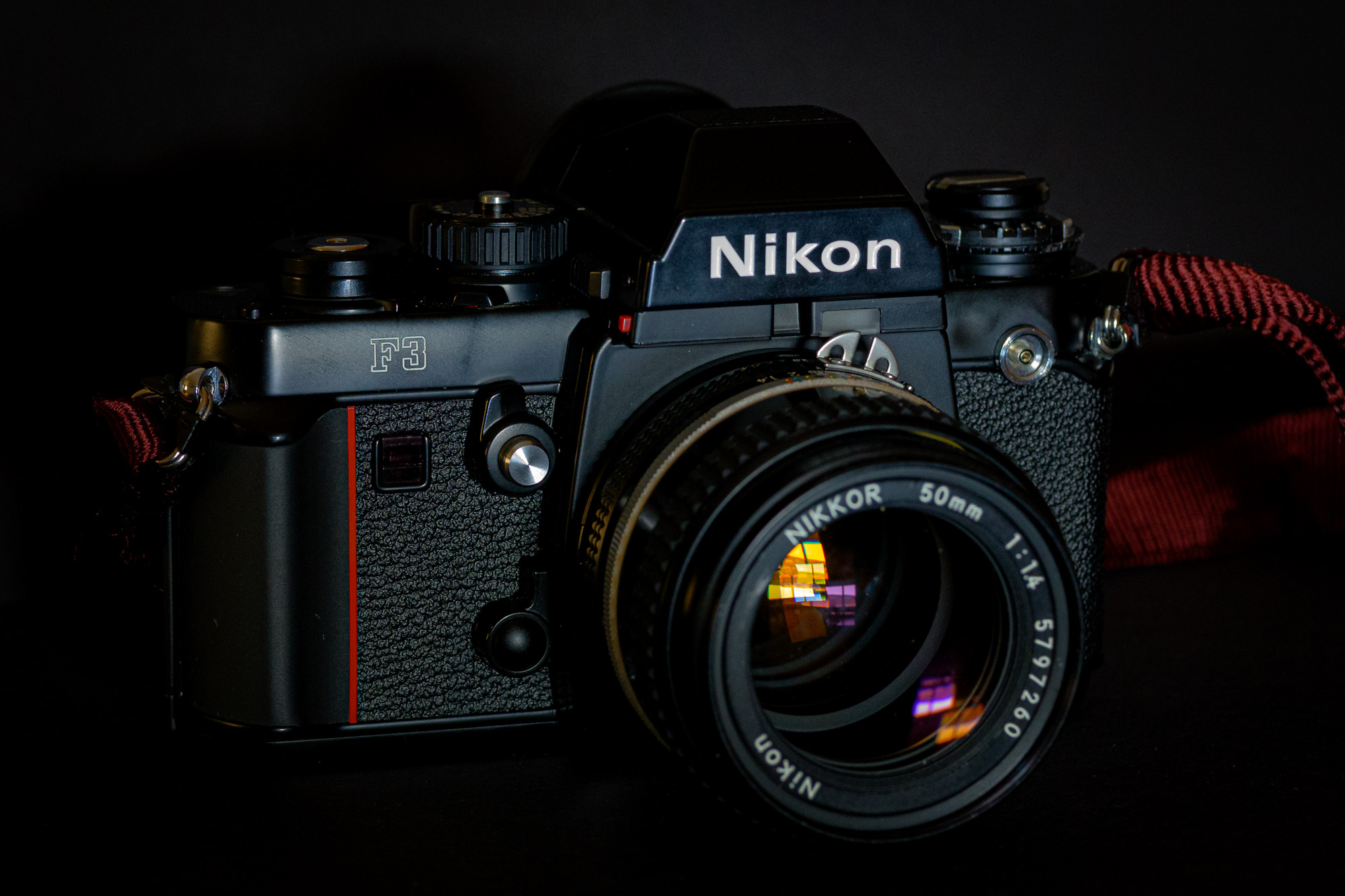
Nikon F3 TTL and AI-S Lenses
TTL Body Metering
TTL stands for Through-The-Lens metering. The Nikon F3 uses a newly developed "pinhole mirror" in its reflex viewing system. The mirror contains approximately 50,000 pinholes—elliptical non-reflective sections measuring 20 × 30 micrometers (µm)—in the central area of the mirror. These pinholes allow a portion of the incoming light to pass through the mirror to the camera's metering system while maintaining a bright viewfinder image.
References:
- Nikon F3 – Nikon's Roots Vol. 19 (PRONEWS)
- Debut of Nikon F3 | Camera Chronicle | Nikon
AI-S (Automatic Indexing Shutter)
What is the difference between AI and AI-S lenses?
The AI-S lens was introduced in 1982 as an enhancement of the earlier AI (Automatic Indexing) lens design. The aperture mechanism was modified to provide a standardized and more precise relationship between the camera's aperture control lever movement and the lens aperture setting.
This improvement enabled advanced exposure modes such as Program Auto Exposure and Shutter-Priority Auto Exposure on cameras including the Nikon FA, FG, and F-301/N2000. With AI-S lenses, the camera can control aperture changes more accurately than with standard AI lenses.
Reference:
https://www.nikonimgsupport.com/na/NSG_article?articleNo=000048608&configured=1&lang=en_SG
From Film to Web.
The Kodak Portra 400 film was scanned with a Epson Perfection V850 Pro. Epson Scan software with DIGITAL ICE Technology was used and dpi set to 6400. 16 bits output TIFF file at approximately 277 MB. Files were opened in Photoshop and capture sharpened with Pixelgenius PhotoKit Capture Sharpener 2. Geometry corrected with Camera Raw Filter in Photoshop.

Kodak Portra 400, Torgata 1, Oslo, Norway.
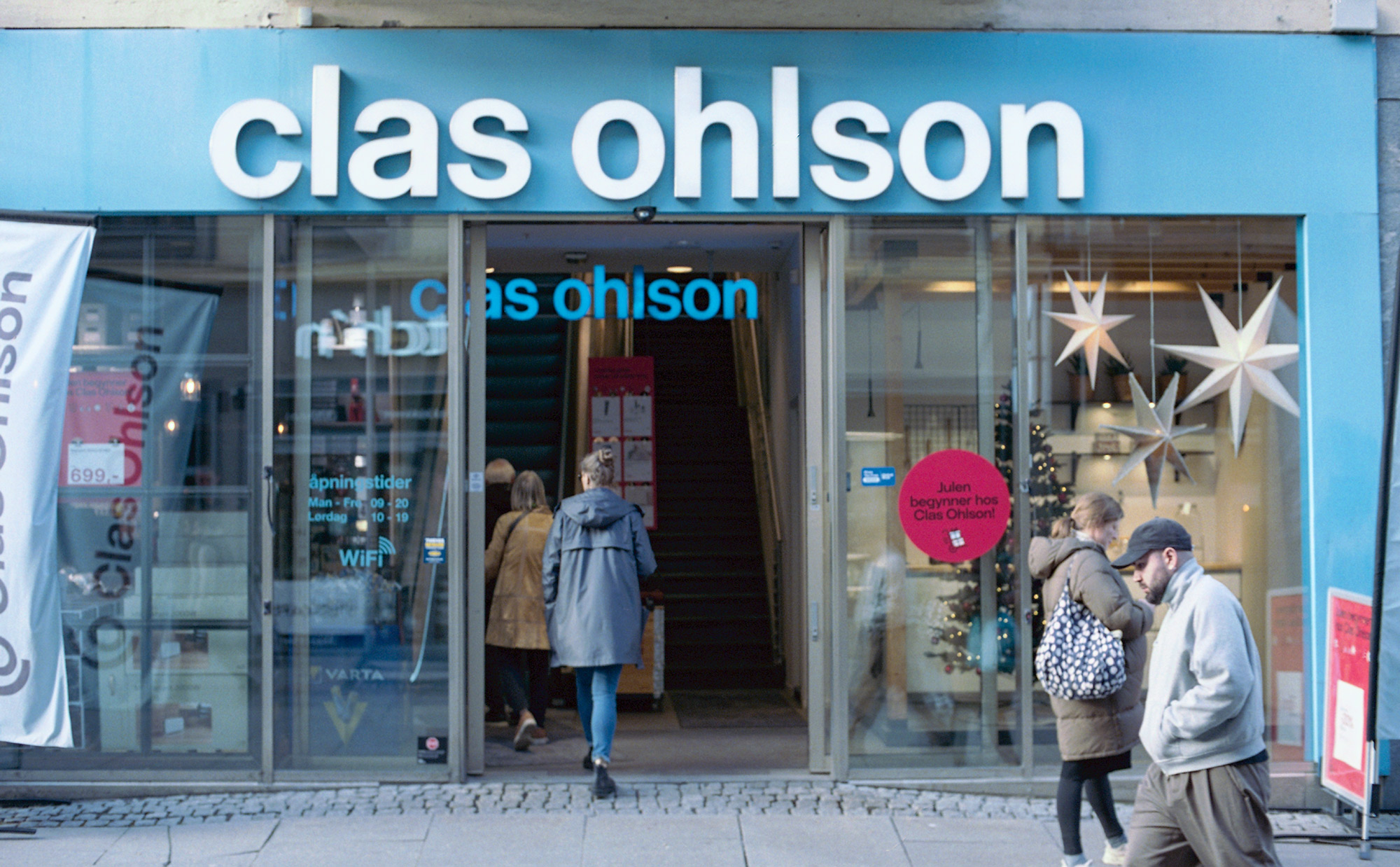
Kodak Portra 400, Oslo, Norway. Clas Ohlson shop entrance.
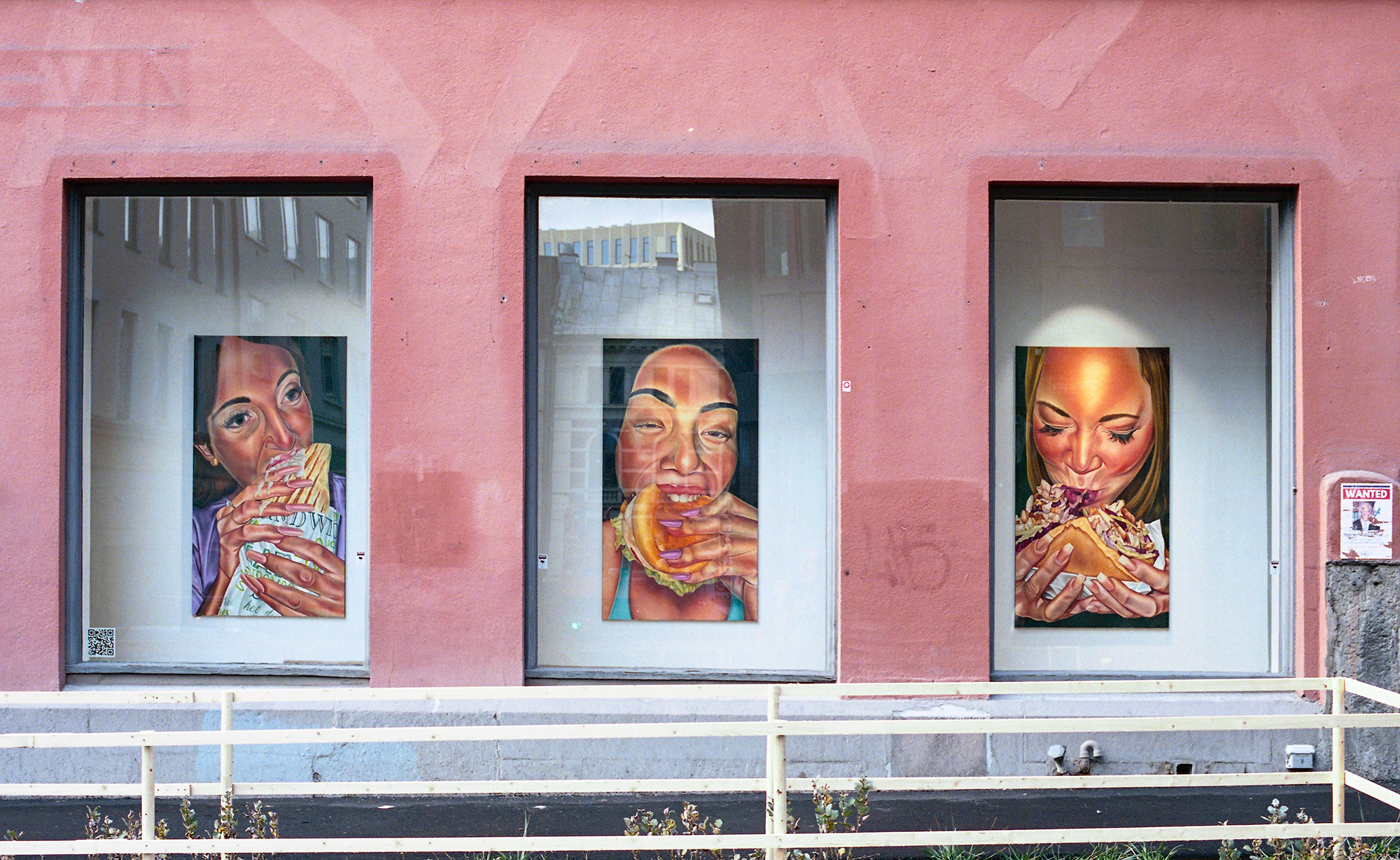
Kodak Portra 400, Oslo, Norway.

Kodak Portra 400, Fyret mat og drikke, Youngstorget, Oslo, Norway.

Kodak Portra 400. Erica vagans with autumn leaves.

Kodak Portra 400. Møllergata urban transformation. Oslo 2025.

Kodak Portra 400. Tram number 19, Stortorvet, Oslo, Norway.